 Synapse
Open Synapse
An MIT study found that older adults have significantly weaker waves of cerebrospinal fluid during sleep, potentially impairing the brain’s waste-clearing processes. The decline was linked to reduced deep-sleep brain waves and vascular changes, rather than simply sleeping fewer hours.
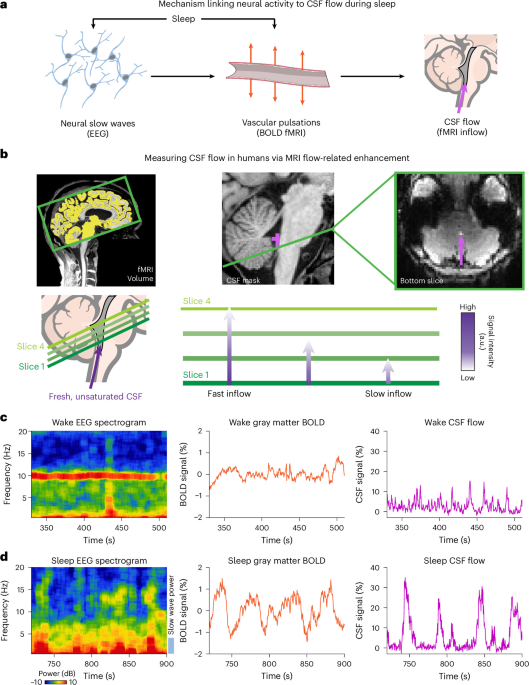
This work shows that cerebrospinal fluid flow during sleep is impaired in the aging human brain, before the onset of any neurological disorder, and identifies parallel neural and cerebrovascular mechanisms contributing to this difference.